
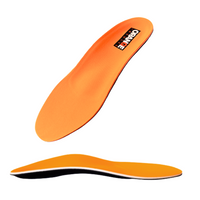

Burning, tingling, or numb feet can make choosing shoes feel complicated. An insert that feels soft under your heel might crowd your toes. A supportive arch might feel comfortable in one pair and create pressure in another.
If you’re looking for the best insoles for neuropathy, start with your foot-care needs, then check how the insert fits your shoes. Insoles may help accommodate your feet, but they don’t repair nerve damage or replace treatment for its cause.
That distinction matters because reduced sensation can make rubbing or an injury harder to notice. The National Institute of Diabetes and Digestive and Kidney Diseases explains why daily foot checks and properly fitting footwear are important for people with diabetes-related nerve damage.
What Makes an Insole Suitable for Neuropathy?
There isn’t one insole that works for every person with neuropathy. Your level of sensation, foot shape, skin condition, and medical history all affect the choice.
Before buying, ask your podiatrist whether an everyday insert is appropriate or whether you need specialized footwear or insoles. This is especially important if you have diabetes, a history of foot ulcers, or changes in your foot’s shape.
For people with diabetes at higher risk of ulcers, clinical guidance may call for extra-depth shoes, custom insoles, or therapeutic footwear with demonstrated pressure relief. An ordinary retail insert shouldn’t be assumed to provide the same protection. The IWGDF prevention guidelines explain how those recommendations depend on individual risk.
Once you know which type of insert is appropriate, focus on these practical features:
- A suitable contour: The shape should accommodate your foot without creating concentrated pressure.
- Appropriate cushioning: Consider cushioning alongside support and available shoe space.
- A flat, secure fit: The insert shouldn’t bunch, curl, or slide.
- Enough room in the shoe: Your toes and the top of your foot shouldn’t become crowded after installation.
Check Whether Your Shoe’s Insole Is Removable
If the existing insole comes out, you may be able to replace it with an insert recommended for your needs. A removable insole gives you room to work with, but it doesn’t guarantee that every replacement will fit.
Compare the replacement’s thickness and shape with the original. Check that it sits flat and that the shoe still closes properly without squeezing your foot.
If the original insole isn’t removable, adding another layer will reduce the space inside. Don’t force an insert into a shoe that becomes tight. A different shoe may be a better starting point.
Width matters, too. If your toes feel crowded even before adding an insert, our guide to recognizing wide feet and choosing a better fit offers useful background.
Can You Use Orange Insoles If You Have Neuropathy?
That decision should start with your foot-care provider.
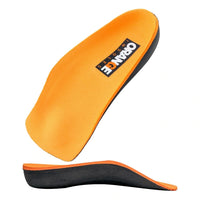
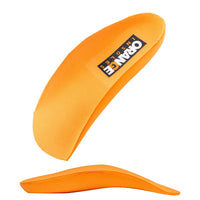
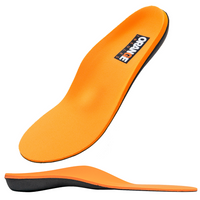
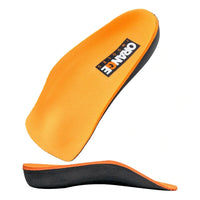
Orange Insoles offers everyday supportive inserts in different shapes and profiles. However, this article does not establish that a particular Orange model treats neuropathy or prevents neuropathy-related skin injury.
If your provider confirms that an everyday supportive insert is appropriate, you can then compare the Orange lineup according to their guidance and the space inside your shoes.
The Orange Insole Selector can help you compare models by footwear needs. It cannot assess reduced sensation, ulcer risk, or whether you need a specialized insert.
Make Foot Checks Part of Your Routine
When sensation is reduced, comfort alone isn’t a reliable way to judge whether a shoe or insert is working.
For people with diabetes, NIDDK recommends checking feet daily and checking inside shoes before putting them on. Look for redness, blisters, cuts, or other changes, and feel inside the shoe for debris or rough areas. A mirror can help you see the soles of your feet.
Our Preventive Guide for Diabetic Foot Care offers more background on building those habits.
An open sore or a newly red, warm, or swollen foot needs prompt medical attention, even if it doesn’t hurt. The American Diabetes Association’s foot-care guidance identifies these changes as reasons for urgent assessment.
Frequently Asked Questions
Can insoles relieve neuropathy pain?
Insoles don’t treat the underlying nerve damage. An appropriate insert may improve footwear comfort, but burning, tingling, or persistent pain should be discussed with your healthcare provider. Avoid products that promise to cure neuropathy.
Do I need custom orthotics?
Not everyone does. Some people can use an appropriate prefabricated insert, while others need specialized footwear or custom accommodation. Your clinician can help determine which is suitable based on sensation, foot shape, pressure areas, and ulcer history.
Are softer insoles always better?
Softness alone doesn’t tell you whether an insert is appropriate. Its contour, cushioning, fit, and ability to accommodate your particular foot all matter. An insert can feel soft and still leave too little room inside the shoe.
What if my feet swell during the day?
Have the fit checked with swelling in mind. Adding an insole shouldn’t leave your foot compressed or rubbing against the shoe. New or unexplained swelling should be assessed rather than managed simply by changing shoe size.
Can I use Orange’s Insole Selector?
The Insole Selector can help you compare the Orange lineup by footwear needs. For neuropathy, use it after getting guidance on whether an everyday supportive insert is appropriate.
Choose for Your Feet First, Then Your Shoes
The best insoles for neuropathy are the ones that suit your assessed needs and fit correctly inside appropriate footwear. A product’s thickness, softness, or arch support can’t establish that on its own.
Start with professional guidance, compare compatible options, and keep checking your feet as part of your daily routine.