


AI is everywhere in 2026, from writing emails to planning trips, and fitness is no exception. More people are now using AI tools to create workout plans that feel personalized, flexible, and easier to stick to.
But here’s the part most people miss:
AI only works well for fitness when you set it up correctly.
If you simply ask for a workout plan, you’ll usually get something generic or overly intense. If you guide the AI properly, it can become a surprisingly useful planning partner.
This guide walks through how to create a realistic workout plan using AI in 2026, including the exact prompts that help AI customize your routine instead of guessing.
Why AI Workout Plans Are Popular in 2026
AI fills a gap between generic online programs and expensive personal training.
People turn to AI because it can:
-
Adapt plans based on schedule changes
-
Adjust workouts around injuries or limitations
-
Generate structure without rigid rules
-
Reduce decision fatigue
For busy people trying to stay consistent, AI offers flexibility that traditional plans often lack.
What AI Can and Can’t Do for Fitness
Before using AI, it’s important to understand its role.
AI is good at:
-
Creating weekly structure
-
Balancing muscle groups
-
Suggesting exercise variations
-
Adjusting volume and frequency
AI is not good at:
-
Feeling pain, fatigue, or joint stress
-
Monitoring exercise form
-
Replacing medical or professional advice
Think of AI as a planning assistant, not a coach watching you train.
Step 1: Set the AI’s Role Clearly
One of the most effective ways to improve AI-generated workout plans is to define the AI’s role before asking for anything else.
Instead of jumping straight to exercises, start with a role-setting prompt.
Example Role-Setting Prompt
"You are a professional gym instructor and certified fitness coach. Your job is to help me create a safe, realistic, and sustainable workout plan based on my goals, schedule, and physical limitations."
This simple step changes how the AI responds. It encourages safer recommendations, clearer structure, and more thoughtful progression.
Step 2: Ask AI to Interview You First
Most people skip this step and it’s the biggest mistake.
Rather than asking for a workout plan immediately, ask the AI to gather information first.
Example Starter Prompt
"Before creating my workout plan, ask me all the questions you need to customize it properly."
A good AI response should ask about:
-
Current activity level
-
Goals (fat loss, strength, endurance, consistency)
-
Available days per week
-
Time per session
-
Access to equipment
-
Past injuries or pain points
-
Preferred activities
If the AI doesn’t ask enough questions, prompt it again:
"Ask more questions about injuries, time constraints, and recovery."
Step 3: Provide Honest Constraints
AI plans fail when people give ideal answers instead of realistic ones.
Be honest about:
-
How many days you will actually train
-
How much time you truly have
-
What you dislike doing
-
Areas where you feel pain or fatigue
A plan that fits your real life beats a perfect plan you won’t follow.
Step 4: Ask for Progression, Not Intensity
Many AI-generated plans start too hard.
Instead of asking for a challenging plan, guide the AI toward sustainability.
Example Prompt
"Create a progressive workout plan that starts easy and builds gradually over 6–8 weeks."
This encourages:
-
Gradual increases in volume
-
Better recovery
-
Lower injury risk
-
Higher long-term consistency
Step 5: Build Flexibility Into the Plan
Life doesn’t follow a perfect schedule, and your workout plan shouldn’t either.
Ask the AI to include options.
Example Prompt
"Include shorter backup workouts and low-impact alternatives for days when energy or time is limited."
This allows the plan to adapt instead of falling apart when life gets busy.
Step 6: Use AI to Adjust, Not Restart
One of AI’s biggest advantages is adjustment.
Instead of abandoning a plan, use prompts like:
"Based on my last two weeks, reduce volume slightly and add more recovery."
or
"Modify this plan to reduce knee stress while keeping overall activity levels similar."
Small adjustments keep momentum going.
Why Body Feedback Still Matters More Than AI
AI can structure your plan, but it can’t feel what you feel.
If you notice:
-
Lingering soreness
-
Foot fatigue during workouts (explained in Foot Fatigue vs Foot Pain: How to Tell the Difference Early)
-
Joint discomfort that increases week to week
Those are signals, not something to push through.
AI works best when it responds to your feedback rather than overriding it.
Support and Footwear Still Matter
As AI-generated plans increase consistency, movement volume rises quickly.
That means:
-
More steps
-
More impact
-
Less recovery between sessions
Footwear and support play a major role in how well your body tolerates that load. As training volume increases, poor support can accelerate breakdown in both the body and shoes, something covered in Why Athletic Shoes Break Down Faster Than You Think. A great plan can fail if your support system isn’t keeping up.
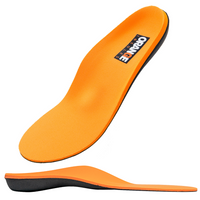
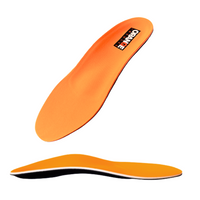
AI can plan the workouts, but your body still absorbs the impact. In How Insoles Can Reduce Muscle Fatigue, we help explain why proper support matters as consistency increases.
SHOP for INSOLES
AI Is a Tool, Not a Replacement
The best results in 2026 come from using AI to support consistency, not to chase extremes.
Use AI to:
-
Plan smarter
-
Adjust faster
-
Reduce guesswork
Then let your body guide the final decisions.
When AI planning and real-world feedback work together, staying active becomes far more sustainable over the long term.