

January always starts strong. New journals, fresh goals, big motivation. But by February, most resolutions are already forgotten. Studies show many people break their New Year’s goals within the first six weeks.
The problem is not willpower. It is the strategy.
When you understand how your brain forms habits and how your body supports (or resists) those habits, you can finally create change that lasts. Whether your 2026 resolutions are about health, movement, stress reduction, or simply feeling better, here are proven, science-backed ways to stay on track all year long.
1. Start Smaller Than You Think
Tiny goals feel almost too easy, but that is exactly why they work.
Research on habit formation shows that small, repeatable actions are more likely to become permanent than big, demanding changes. Your brain builds habits through consistency, not intensity.
Examples:
-
Walk for 5 minutes, not 45.
-
Stretch for 1 minute each morning.
-
Add one healthy snack, not an entire diet overhaul.
When the action feels doable, your brain stops resisting. Once the habit exists, you can gradually increase it.
This approach is especially helpful for people trying to move more while dealing with foot pain or body fatigue, since smaller steps reduce strain on the body.
2. Make Your Environment Work For You
Your surroundings shape your behavior more than you realize. If your shoes lack support or your daily movement causes arch or heel discomfort, your resolution to be more active will be harder to maintain.
Environmental design can be as simple as:
-
Keeping water bottles in visible places
-
Placing stretching mats where you actually spend time
-
Setting your supportive walking shoes by the door
-
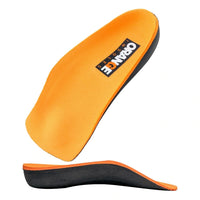
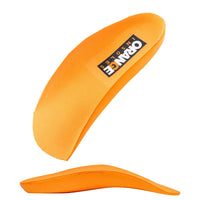
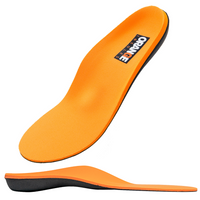
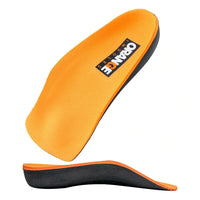
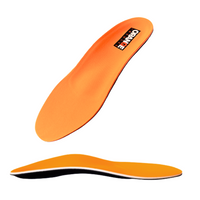
Adding structured insoles to your everyday footwear so movement feels easier and more comfortable (see our guide on Orange Insoles vs. Sock Liners).
A supportive environment removes friction, which increases the chance that you will follow through.
3. Pair Your New Habit With Something You Already Do
Habit stacking is one of the most effective tools in behavioral science. Instead of trying to create entirely new routines, attach your goal to something that is already consistent in your day.
For example:
-
Stretch your calves while brushing your teeth
-
Do core exercises while watching your favorite show
-
Take a short walk right after lunch
-
Use a foam roller before your nightly wind down
When your feet or legs feel tight, pairing strengthening or stretching with an existing ritual helps you stay consistent without feeling overwhelmed.
This strategy is also great for people working on reducing pronation or improving alignment, since small daily routines support long-term relief.
4. Reduce Pain Points That Get in the Way of Progress
If moving hurts, it is natural to avoid it.
Foot fatigue, plantar fascia irritation, knee discomfort, and lower back tightness are some of the biggest reasons people break movement-related resolutions.
Supporting your alignment can make your resolutions easier by:
-
Reducing excessive pronation
-
Relieving pressure on the heel and arch
-
Improving posture during movement
-
Decreasing overall fatigue
If chronic foot discomfort is holding you back, learn how insoles can reduce muscle fatigue and consider small support changes that make movement more comfortable.
5. Build Identity, Not Just Goals
Science shows that people stick to habits better when the habit aligns with their sense of identity.
Instead of saying:
-
“I want to walk more,” say “I am a person who takes care of my body.”
-
“I want to stretch more,” becomes “I am someone who keeps my muscles healthy.”
Identity based resolutions feel meaningful and inspiring, and they work even on days when motivation dips. For more mindset support, see our guide on Reset Your Mind in the New Year.
6. Track Progress You Can Feel
While numbers can be motivating, physical cues are often more powerful.
Pay attention to:
-
How your feet feel after walking
-
Whether your joints ache less
-
How stable you feel standing or moving
-
Whether you have more energy or less tension
Internal feedback is one of the strongest motivators. When you feel better, your brain naturally wants to repeat the behavior.
If you want exercises to strengthen your feet and prevent recurring issues, check our guide on Exercises to Strengthen Feet and Prevent Injuries.
7. Create a Sustainable Pace, Not a Perfect Streak
Most people quit when they miss a day because they think the streak is broken. But missing once does not hurt progress. Missing repeatedly does.
So instead of chasing perfection, aim for consistency that feels realistic.
A good rule:
Never skip twice.
If you miss today, commit to showing up tomorrow. This mindset makes resolutions more flexible, less stressful, and far more sustainable.
8. Make Movement Comfortable and Enjoyable
Comfort increases consistency. If your shoes cause discomfort or lack support, movement becomes something you avoid instead of something you enjoy.
Adding structure to your daily footwear stabilizes your arch, reduces pronation, and minimizes strain on the feet and legs. When your foundation feels good, every resolution that involves movement becomes easier.
Explore the options that best support your goals at the Orange Insoles Shop
You Can Make 2026 Your Most Successful Year Yet
Sticking to your resolutions is not about force or discipline. It is about understanding how your brain builds habits and how your body supports your efforts.
Start small.
Make your environment supportive.
Give your feet and body the alignment they need.
Choose goals that feel meaningful, not forced.
With the right strategy and the right support, your resolutions can finally become part of your everyday life.
If you'd like SEO metadata or want this copy shortened for email or social, tell me and I will update the canvas.