

January is supposed to feel like a reset.
You’re not going all out.
You’re walking more, moving a little, maybe easing back into workouts. Nothing extreme.
And yet, this is when a familiar ache shows up again: heel pain you thought was gone, a tight Achilles, a knee that feels “off,” or feet that hurt more than they should for what you’re doing.
You’re not imagining it.
January is one of the most common times for old injuries and recurring pain to quietly return.
Here’s why it happens and what your feet have to do with it.
The “I’m Taking It Easy” Trap
January movement often feels harmless because it looks light on paper:
-
Short walks
-
Casual gym sessions
-
A slow return to running or training
-
More standing during the day after a sedentary stretch
The problem is that your body doesn’t judge stress based on intention.
It responds to change.
After weeks (or months) of reduced activity, even modest increases in movement can overload tissues that haven’t been asked to work consistently, especially in the feet.
Cold Weather Changes How Your Body Handles Load
Winter affects more than motivation.
Cold temperatures can:
-
Reduce tissue elasticity
-
Increase muscle and tendon stiffness
-
Delay warm-up response
-
Make joints feel tighter, especially first thing in the morning
That’s why conditions like plantar fasciitis and heel pain often feel worse in January, particularly during the first steps of the day.
Read more: Why Do My Feet Hurt During Cold Weather?
Your tissues simply don’t adapt as quickly in colder conditions, even if your activity level feels low.
Deconditioning Makes Old Weak Spots Obvious Again
Injuries don’t just disappear.
They go quiet when demand drops.
During periods of lower activity:
-
Supporting muscles weaken
-
Compensation patterns return
-
Alignment issues become less controlled
When movement resumes, those old weak points are the first to speak up.
This is why recurring issues like Achilles tendon pain, shin splints, or lingering knee pain tend to reappear early in the year — even before training intensity increases.
January Often Increases Standing More Than Training
Here’s a detail people overlook:
January doesn’t just change workouts — it often changes daily posture.
Think:
-
Back to work routines
-
More time standing or walking during the day
-
Less lounging, more errands
-
Longer hours in the same shoes
For people who spend significant time on their feet, this can quietly overload structures tied to hip pain or even lower back pain, especially when foot support isn’t consistent.
It’s not the workout that causes the flare-up — it’s the accumulated load.
Read more: Hip Realignment for Office Workers
“Taking It Easy” Still Requires Support
One of the biggest misconceptions about easing back into movement is assuming support matters less because intensity is lower.
In reality, support matters more during transition phases.
When your body is deconditioned:
-
Small alignment issues create larger stresses
-
Fatigue sets in faster
-
Compensation happens sooner
This is especially true if you’re switching footwear seasonally or rotating between casual shoes, work shoes, and athletic shoes. Different shoes place different demands on the foot, which is why understanding shoe types and their impact on movement becomes more important in winter.
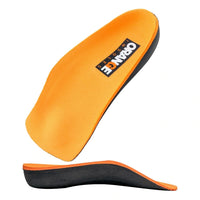
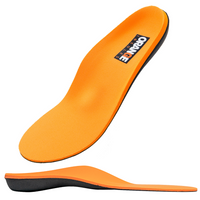
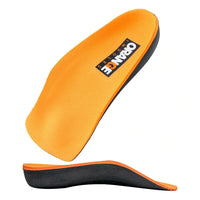
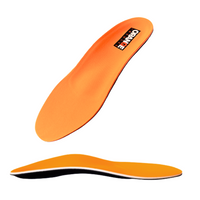
Orange Insoles can provide the consistent support your feet need, no matter what shoes you’re wearing. By adding structure underfoot, they help maintain proper alignment and reduce the strain caused by shoes that may lack support. A quality insole can act as a bridge between different footwear styles, offering comfort, stability, and protection across all your seasonal shoe choices.
Why Pain Often Shows Up Days Later
January pain is rarely immediate.
It often appears:
-
The next morning
-
After a few “easy” days in a row
-
As stiffness rather than sharp pain
-
As a dull ache that slowly gets louder
That delay makes it tempting to ignore — until the issue feels familiar enough to worry.
This pattern is classic for overuse flare-ups and alignment-related stress, not acute injury.
How to Reduce the Chances of January Flare-Ups
You don’t need to stop moving — you just need to respect the transition.
Helpful adjustments include:
-
Increasing activity volume gradually, not all at once
-
Paying attention to morning stiffness and lingering soreness
-
Being consistent with supportive footwear during the day
-
Avoiding sudden changes in both activity and shoes at the same time
If you’re returning to walking, running, or training, it also helps to understand the difference between early fatigue and actual pain before it escalates.
January Isn’t the Problem — The Restart Is
January doesn’t cause injuries.
It reveals them.
Old injuries return not because you’re doing something wrong, but because your body is being asked to adapt again, often faster than it’s ready for.
Listening early, supporting your feet during transitions, and progressing gradually can keep those “old issues” from becoming new setbacks.
Quiet Pain Is Still Feedback
Pain doesn’t have to be dramatic to matter.
If something feels familiar in January, especially in your feet, knees, hips, or back — it’s worth paying attention to before you push through it.
Especially if you’re starting to do more movement because it’s part of your new year resolution – you need to be mindful of your body!
Movement should rebuild confidence, not revive old frustrations.