

The holidays are a time for comfort, celebration, and enjoying your favorite seasonal treats. Between big family meals, festive gatherings, and colder weather that keeps many people less active, it’s normal for weight to fluctuate this time of year.
But here’s something most people don’t realize:
Your feet feel those extra pounds long before the rest of your body does.
Foot pain, sore arches, tight calves, and even morning heel pain are incredibly common in December and January. Not because runners suddenly start training harder, but because holiday habits place extra stress on the lower body.
Let’s break down why it happens, what it means for your foot health, and how to stay comfortable throughout the season.
Why Feet Are the First to Feel Holiday Weight Gain
Your feet carry the load of every step you take. They support your entire body weight, absorb shock, and help keep your alignment balanced.
So when a few holiday pounds sneak on, here’s what happens:
1. More Weight = More Pressure on Your Arches and Heels
Even a small increase in body weight adds noticeable stress to the plantar fascia, heel, and forefoot.
Holiday weight gain often comes with more standing, more cooking, more shopping, and more walking on hard floors: a perfect setup for foot stress.
This is why issues like heel pain and plantar fasciitis often flare up during the winter.
2. Extra Weight Can Increase Excessive Pronation
When the foot is overloaded or fatigued, the arch may collapse inward: a movement called pronation.
A little pronation is completely normal because it allows your feet to absorb shock more effectively with each step, protecting your joints and keeping your movement efficient.
Excessive pronation, however, is linked to:
-
Heel pain
-
Knee discomfort
-
Shin splints
-
Hip pain
-
Lower back issues
Added weight increases pressure on the arch, making that collapse more likely.
3. Holiday Footwear Isn’t Always Supportive
Winter boots, dress shoes, and party footwear often lack proper structure. If you're unsure what type of support your holiday shoes need, try our helpful Insole Finder to find your best match.
Thin soles or flat footbeds increase strain on the:
-
Plantar fascia
-
Metatarsals
-
Ankles and knees
-
Achilles tendon
Combined with seasonal weight fluctuations, discomfort appears quickly.
4. Cold Weather Tightens Muscles
Cold temperatures tighten the calf muscles and Achilles tendon, both of which impact the foot.
This tension increases pulling on the arch and heel, making it easier for foot pain to develop when extra weight is added.
How Extra Pounds Affect Your Alignment
Your feet are the foundation of your body. When they flatten or rotate inward from added load, your entire kinetic chain is affected.
This can lead to discomfort throughout the:
-
Ankles
-
Knees
-
Hips
-
Lower back
Foot pain often shows up before knee or back pain because the feet absorb the stress first.
Why Holiday Foot Pain Isn’t “Just Part of the Season”
Many people assume foot pain is normal during the holidays but pain is a signal, not an inevitability.
You can enjoy holiday meals, long shopping trips, and festive events without ending up with sore, achy feet. Supporting your alignment and minimizing foot stress makes all the difference.
How to Reduce Foot Stress During the Holidays
1. Add Structure Back Into Your Shoes
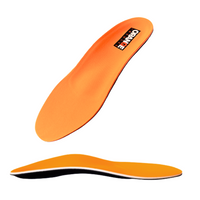
Most winter shoes don’t offer enough support. You can learn more about why structure matters in our guide on Orange Insoles vs. Sock Liners.
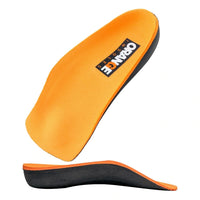
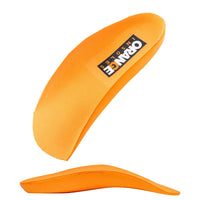
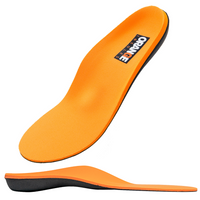
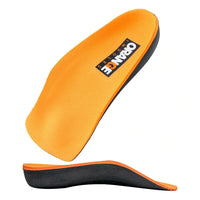
A structured insole can:
-
Reduce excessive pronation
-
Restore natural alignment
-
Take pressure off the heel and arch
If you’re experiencing heel pain, knee discomfort, shin splints, or arch soreness, support can make a noticeable difference.
And if you need all-day alignment, check out options in the Orange Insoles Shop.
2. Stretch the Calves and Feet Daily
Gentle calf stretches reduce tension on the plantar fascia and Achilles, especially important in cold weather. Foot pain often begins with misalignment, as explained in our resources on Heel Pain & Plantar Fasciitis.
Benefits include:
-
Reduced morning heel pain
-
Better mobility
-
Less stress on the arch
3. Choose Better Indoor Footwear
Walking barefoot on tile or hardwood floors adds stress to the feet.
Supportive slippers or structured indoor shoes help reduce daily foot fatigue. Any pair of indoor shoes can become good structured shoes if they have quality insoles added to them.
4. Keep an Eye on Holiday Habits
Holiday pain isn’t only about food. It may also come from:
-
Long hours on your feet
-
Late-night meals
-
Lower activity levels in cold weather
-
Wearing unsupportive shoes or flats
Small mindful habits help prevent unnecessary strain.
Your Feet Carry You Through the Holidays, Support Them Well
Seasonal weight changes are normal.
But pain doesn’t have to be.
When your feet are supported and aligned, you’ll feel better not just in your arches and heels, but throughout your knees, hips, and back.
Because when your foundation is strong, your whole body benefits.
Give your feet the support they deserve this holiday season with Orange Insoles.