

Getting back into movement should feel motivating. But for a lot of people, it turns into something else entirely: sore feet, tight calves, aching knees, or a quiet pain that shows up a week later and refuses to leave.
This usually isn’t because you “did too much.”
It’s because your feet weren’t ready for how quickly you asked them to work again.
Easing back into activity is less about willpower and more about progressive load — especially at the feet.
Why Your Feet Are the First to Push Back
Your feet absorb thousands of steps a day. Even when you’re inactive, they’re still adapting to the shoes you wear, the surfaces you stand on, and the way your body carries stress.
When activity drops:
-
Foot muscles weaken
-
Tendons lose tolerance to load
-
Support structures fatigue faster
-
Alignment issues become more noticeable
When movement ramps up too quickly, those issues tend to show up as early symptoms of common overuse problems like plantar fasciitis or heel pain, or as more generalized lower-body discomfort.
That’s why easing back in isn’t about motivation — it’s about preparing your feet for demand.
Start With Time, Not Intensity
One of the most common mistakes people make when returning to activity is focusing on how hard instead of how long.
Your feet respond better to:
-
Shorter sessions
-
Lower intensity
-
More frequent exposure
Rather than jumping back into long walks or full training sessions, aim for consistent, manageable time blocks.
Examples:
-
Walking: 10–15 minutes, once or twice daily
-
Running: walk–run intervals instead of continuous mileage
-
Training: lighter loads with more rest between sets
This approach helps reduce stress on structures commonly involved in overuse injuries, including those linked to shin splints and Achilles irritation.
Remember, consistency is key to success in your movement journey! Don’t burn yourself out in the early stages of your journey. Trust the process and take care of your feet!
Pay Attention to “Quiet” Warning Signs
Foot overload doesn’t always announce itself loudly.
Watch for:
-
Morning stiffness that lasts longer than usual
-
Tenderness along the arch or heel
-
A dull ache after activity that wasn’t there before
-
Feeling “tired” feet even on non-training days
These are early signals that your feet are working harder than they’re ready for. Ignoring them doesn’t build toughness, it builds compensation. Don’t fall for the whole “no pain no gain” mindset. Pain is not an indicator of progress!
Foot Fatigue vs Foot Pain: Know the Difference
Not all discomfort means stop, but not all discomfort should be pushed through either.
Foot fatigue usually feels like:
-
General soreness
-
Heaviness
-
Temporary stiffness that fades with rest
Foot pain tends to be:
-
Sharp or localized
-
Persistent day to day
-
Worse with the first steps in the morning
-
Focused in one specific spot
Fatigue is part of rebuilding. Pain is a sign that load is outpacing support.
Let Your Shoes (and Insoles) Do Some of the Work
When easing back into activity, your footwear matters more than when you’re fully conditioned.
During this phase, your feet benefit from:
-
Stable heel support
-
Controlled arch support
-
Even pressure distribution
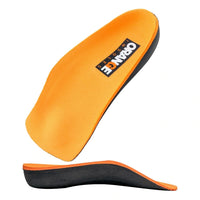
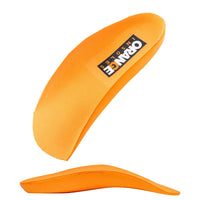
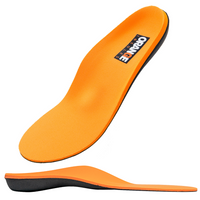
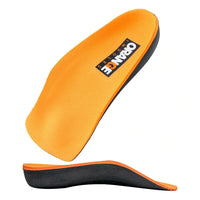
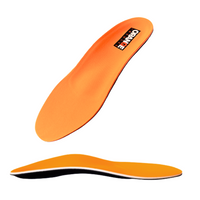
This is where structured insoles can help reduce unnecessary strain. Instead of asking tired foot muscles to manage alignment on their own, support helps guide motion while your body readapts.
The key here isn’t softness — it’s consistency. Shoes or insoles that feel “fine” for short sessions may not feel fine once activity stacks up over multiple days.
It is also wise to consider when you’re doing your increased movement. If you’re wearing dress shoes and decide to start walking more distances with them (especially if the built-in insoles are already worn down), then foot pain is definitely expected. Letting your shoes and insoles do the work also means using the right shoes for the job.
Read more: Running Shoes, Walking Shoes, and Support
Increase Load in One Direction at a Time
A simple rule that prevents most overload issues:
Only increase one variable at once.
That means:
-
Increase distance or speed — not both
-
Increase training days or intensity — not both
-
Change footwear or activity volume — not both
Your feet adapt well to gradual change. They struggle with stacked changes. Ambition and being goal-oriented is good but don’t exceed the physical limitations of your body.
Don’t Skip Recovery Just Because You’re “Not Training Hard Yet”
Recovery isn’t reserved for athletes.
Early-phase movement actually creates more soreness because tissues are reawakening.
Helpful recovery habits include:
-
Gentle calf and foot stretching
-
Light mobility work on rest days
-
Alternating activity days with lower-load movement
-
Paying attention to how shoes feel late in the day
If your feet feel worse as the week goes on, that’s feedback and not failure.
Why Alignment Matters More During the Return Phase
When your body is deconditioned, small alignment issues become bigger problems faster.
Excessive pronation, poor heel stability, or uneven pressure distribution can:
-
Increase strain on the plantar fascia
-
Stress the Achilles and calves
-
Affect knee and hip mechanics
During the return-to-activity phase, alignment support helps:
-
Reduce compensations
-
Improve efficiency
-
Lower injury risk while tissues adapt
This is why many people notice old aches resurfacing not during peak training, but when they start again after time off.
Read more: Do you Know How To Walk
A Smarter Way to Think About “Getting Back Into Shape”
Instead of asking:
“How fast can I get back to where I was?”
Ask:
“How well can my feet tolerate what I’m doing right now?”
Progress that feels boring is often the progress that sticks.
Build Capacity Before Chasing Performance
Walking, running, and training all ask a lot from your feet — especially when they’ve been out of the game for a while.
Easing back in isn’t about holding yourself back.
It’s about building capacity so you don’t have to keep starting over.
Support your feet early, progress gradually, and listen closely. Your future movement depends on how you restart today.
Shop For Insoles to support Your 2026 Movement Journey