

Athletic shoes are often marketed as tough, durable, and built for performance. They look sturdy. They feel supportive out of the box. And because they’re designed for running, training, or sports, many people assume they’ll hold up for a long time.
The reality is very different.
Athletic shoes break down faster than most people realize, and when they do, your feet are usually the first to feel it.
The frustrating part is that this breakdown often happens long before shoes look worn out on the outside.
Athletic Shoes Take More Abuse Than Any Other Footwear
Unlike casual or dress shoes, athletic shoes are exposed to repeated high-impact forces.
Every run, jump, sprint, or lateral movement creates:
-
Impact forces several times your body weight
-
Compression through the midsole
-
Torsional stress from cutting and pivoting
-
Heat and moisture that weaken materials over time
Even walking-focused athletic shoes rack up thousands of repetitive steps quickly.
This constant stress causes internal materials to degrade faster than people expect.
The Midsole Breakdown You Can’t See
Most athletic shoes rely on foam midsoles to absorb shock. That foam is designed to compress and rebound.
But foam doesn’t last forever.
With repeated impact:
-
Cushioning loses elasticity
-
Shock absorption decreases
-
Stability becomes inconsistent
-
Pressure shifts to sensitive areas of the foot
The problem is that this breakdown is invisible.
Your shoes may still look fine. The tread may still have life left. But inside, the materials that protect your joints are already failing.
This is why people often say, “My shoes still look new, but my feet hurt.”
Why Athletic Shoes Wear Out Faster Than Casual Shoes
There are a few reasons athletic shoes break down more quickly than everyday footwear.
First, athletic shoes are designed for performance, not longevity. Lightweight foams and flexible materials improve movement but sacrifice durability.
Second, athletic movements are repetitive. Running or training uses the same movement patterns over and over, which accelerates wear in specific zones.
Third, impact loads are higher. Jumping, sprinting, and fast direction changes generate far more force than casual walking.
Over time, this combination leads to faster internal failure, even if the shoe appears intact.
How Your Feet Pay the Price
When athletic shoes lose their ability to absorb impact and guide motion, the body compensates.
That compensation often shows up as:
-
Foot fatigue that appears earlier in workouts
-
Heel pain or plantar fascia irritation
-
Knee or hip discomfort after activity
-
Lower back tightness tied to alignment issues
Many people assume these symptoms mean they need rest or a new training plan. In reality, the problem is often degraded support underfoot.
If this sounds familiar, in Foot Fatigue vs Foot Pain: How to Tell the Difference Early and How Insoles Can Reduce Muscle Fatigue, it is explained why poor impact management leads to early breakdown in the body, not just the shoe.
Replacing Shoes Isn’t Always the Best or Only Answer
The common advice is simple: replace your athletic shoes every few hundred miles.
That works, but it’s not always realistic.
Many athletes, walkers, and gym-goers:
-
Train across multiple pairs of shoes
-
Use shoes for different activities
-
Experience breakdown unevenly depending on foot type and movement
Replacing shoes frequently can get expensive, and it doesn’t always address the root issue.
The shoe may still fit well. The upper may still feel supportive. What’s failing is impact management.
Where Orange Sport Fits In
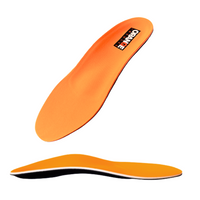
This is where Orange Sport insoles become especially relevant.
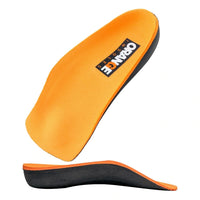
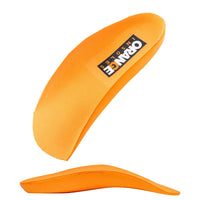
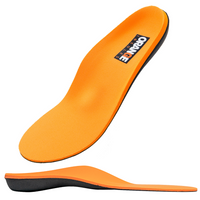
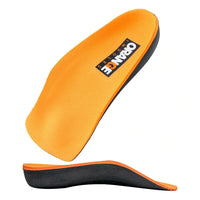
Orange Sport insoles are designed to handle repeated impact more effectively than factory insoles. Instead of relying on soft foam alone, they provide structured support that helps distribute force more evenly across the foot.
This does a few important things:
-
Reduces stress on the shoe’s midsole
-
Absorbs impact before it reaches sensitive tissues
-
Improves stability during high-intensity movement
-
Helps shoes maintain their performance longer
Rather than asking the shoe to do all the work, Orange Sport shares the load.
Orange Sport vs Orange Full Insoles: Which One Is Right for You?
Now if you’re already using Orange Full Insoles for your athletic shoes, you might wonder if you still need the Orange Sport Insoles. Here’s a quick overview:
Orange Sport insoles are built specifically for high-impact, repetitive athletic activity like running, training, court sports, and intense gym workouts. They are designed to handle frequent force, quick transitions, and repeated loading without breaking down quickly.
Orange Full Insoles, on the other hand, are better suited for all-day wear, walking, standing, and general lifestyle use. They prioritize sustained comfort and alignment over explosive or repetitive impact.
If you are training regularly or participating in sports, Orange Sport provides the structure and durability needed to manage impact and protect your feet over time.
For a deeper comparison, see Orange Sport vs Orange Full Insoles: Which Is Right for You in 2026?.
A Smarter Way to Extend Shoe Life and Protect Your Feet
Using Orange Sport doesn’t mean you’ll never replace your athletic shoes.
It means:
-
You reduce how quickly they break down
-
You maintain consistent support as shoes age
-
You protect your feet during high-impact activity
-
You get more reliable performance over time
For people who train regularly, this often leads to fewer aches, less fatigue, and more confidence during workouts.
If you’re unsure whether your current athletic shoes are still doing their job, How to Know If My Shoes Need Insoles is a helpful place to start.
Athletic Shoes Don’t Fail All at Once
One of the biggest misconceptions is that shoes fail suddenly.
In reality, breakdown is gradual. Support fades. Cushioning weakens. Stability decreases.
Your feet notice before your eyes do.
Paying attention to early signs and reinforcing support with the right insoles can prevent minor discomfort from becoming a long-term issue.
Protect the Investment You’re Already Making
If you’re investing time, energy, and money into staying active, your footwear should support that commitment.
Athletic shoes weren’t designed to absorb endless impact on their own. They work best when paired with proper support that helps manage stress and movement.
That’s why many active people choose to reinforce their footwear with Orange Sport, especially for running, training, and high-impact sports.
You can explore our Orange Insoles here: SHOP
Because when athletic shoes break down faster than you expect, your feet shouldn’t have to pay the price.