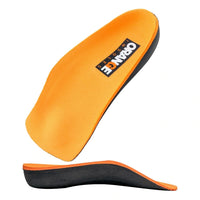

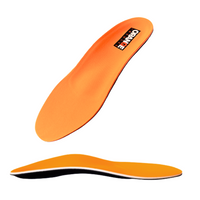

Plantar fasciitis is the most common cause of heel pain in adults, and most people respond by reaching for the softest insole they can find. The logic feels right, but soft cushioning lets your arch collapse under load, which is exactly the motion that overstretches the plantar fascia (the thick tissue band along the bottom of your foot) and keeps the pain cycle going. The best insoles for plantar fasciitis work the opposite way: they hold your arch in place with firm structural support so the damaged tissue can actually heal.
What Plantar Fasciitis Actually Is
The plantar fascia connects your heel bone to your toes and works like a bowstring, holding the arch in tension so it can absorb and return energy with every step. Plantar fasciitis happens when that band is chronically overstretched, developing micro-tears near the heel attachment point. That is what causes the signature stabbing pain with your first morning steps.
The critical point: the fascia is a tension structure, not a compression pad. It fails when it is pulled too far, not when it is pressed too hard. This changes what an insole needs to do. A soft insole reduces the pressure you feel underfoot, but it does nothing to control the arch position that is overstretching the fascia. A firm, supportive insole holds the arch in its natural position, reducing tension on the fascia with every step.
Key takeaway: Plantar fasciitis is a tension injury. Your insole needs to support the arch to reduce pulling on the fascia, not just cushion the heel.
The Four Features That Actually Matter
Every insole on the market lists a wall of features. Here are the four that make a measurable difference for plantar fasciitis.
Rigid or Semi-Rigid Arch Shell
This is the most important feature. A firm arch shell holds the medial arch (the main arch along the inside of your foot) in its correct position, preventing the collapse that overstretches the plantar fascia. Look for insoles with a structured shell made from firm thermoplastic or similar material, not just foam molded into an arch shape. Soft foam compresses under load. A shell maintains its shape.
Deep Heel Cup
A deep heel cup wraps around the sides and back of the heel, keeping the calcaneus (heel bone) centered and stable. When the heel shifts or tilts inward with each step, it pulls the plantar fascia at an angle, increasing strain. A deep heel cup prevents that lateral movement and keeps force tracking straight through the foot. It also concentrates the natural fat pad beneath the heel bone, providing cushioning exactly where you need it without relying on soft foam.
Firm Midsole Material
The midsole sits between your foot and the shoe. For plantar fasciitis, you want one that absorbs shock without bottoming out. High-density EVA foam or dual-density constructions work well because they provide enough give to reduce impact but enough firmness to maintain arch support under sustained load. If you step on an insole and your foot sinks noticeably into it, the midsole is too soft for plantar fasciitis use.
Proper Fit and Sizing
An insole that slides, bunches, or sits too high in the shoe creates pressure points and defeats the purpose of the support structure. The heel cup should sit flush in the shoe's heel pocket. The arch shell should align with your actual arch. Most quality insoles come in specific size ranges rather than one-size trims for this reason.
Key takeaway: Prioritize a rigid arch shell and deep heel cup over cushioning. These two features address the mechanical cause of plantar fasciitis.
Matching Your Insole to Your Activity
Plantar fasciitis does not take days off, and neither should your insole support. But different activities put different demands on your feet.
Daily Wear and Work
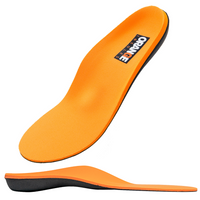
If you stand or walk for extended periods, your priority is sustained arch support that holds up hour after hour. Look for insoles with a rigid arch shell, deep heel cup, and a midsole that will not bottom out under eight or more hours of continuous load. Orange Full is designed for exactly this: all-day structural support for people who depend on their feet at work.
Running and Athletic Use
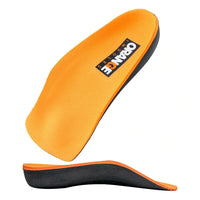
Athletic activities introduce higher impact forces and more dynamic foot movement. You need the same structural support, but with enough responsiveness to handle faster tempo and higher ground reaction forces. The insole should hold your arch position through the gait cycle without feeling rigid during push-off. Orange Sport is built for this balance.
Around the House
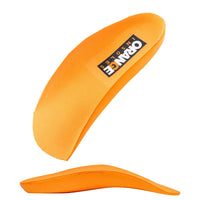
This is where most people drop the ball. Walking barefoot or in flat slippers at home leaves your plantar fascia unsupported during hundreds of daily steps. Many people notice their worst pain first thing in the morning partly because the fascia was unsupported all evening. Wearing supportive sandals or slip-on shoes with a firm insole (we recommend the Orange ¾ )at home can make a real difference in recovery speed. If you are curious about how consistency in foot support matters more than intensity, it applies directly here.
Key takeaway: Structural support should be consistent across your day, not limited to your work shoes or running shoes.
Custom Orthotics vs. Over-the-Counter Insoles
Custom orthotics are molded to your exact foot shape based on a clinical assessment. They can address severe structural abnormalities, significant leg-length discrepancies, or complex gait issues that off-the-shelf products cannot accommodate. For the majority of people with plantar fasciitis, though, the core biomechanical need is the same: a firm arch shell, a deep heel cup, and a supportive midsole. A well-designed over-the-counter insole provides these features at a fraction of the cost and without the multi-week wait for custom fabrication. Many podiatrists recommend starting with a quality OTC insole and moving to custom orthotics only if standard support does not provide adequate relief after consistent use.
The real differentiator is not custom vs. off-the-shelf. It is quality of construction and materials. A $12 pharmacy insole and a properly engineered OTC insole are not in the same category, even though they sit in the same section of the store.
Key takeaway: Most plantar fasciitis cases respond well to quality over-the-counter insoles. Custom orthotics are worth considering if structural support alone is not resolving symptoms.
Frequently Asked Questions
Do insoles really help plantar fasciitis?
Yes. Insoles that provide rigid arch support and a deep heel cup reduce the tension on the plantar fascia by holding the arch in its correct position. The key is choosing an insole with structural support rather than one that relies only on cushioning.
Can insoles cure plantar fasciitis?
Insoles are a treatment tool, not a cure. They reduce the mechanical strain that causes plantar fasciitis, which allows the damaged tissue to heal. Most recovery plans combine supportive insoles with stretching, activity modification, and sometimes weight management.
How long do plantar fasciitis insoles take to work?
Most people notice reduced pain within one to three weeks of consistent use. Full recovery from plantar fasciitis typically takes several months of combined treatment including stretching, footwear changes, and consistent insole use.
Are custom orthotics better than insoles for plantar fasciitis?
For most people, a quality over-the-counter insole with a rigid arch shell and deep heel cup provides the same core biomechanical correction at a lower cost. Custom orthotics are better for complex structural issues or severe cases that do not respond to standard support. The most important factor is the quality of the support structure, not whether it was custom-made.
Your Feet Need Structure, Not Just Softness
Plantar fasciitis heals when the plantar fascia stops being overstretched with every step. That requires an insole that holds your arch in place and keeps your heel stable, not one that simply makes the ground feel softer. The difference between an insole that helps and one that wastes your money comes down to a rigid arch shell, a deep heel cup, and materials that hold up under real daily use.
Feel the Difference Real Support Makes
Orange Insoles are built around a signature deep heel cup and rigid arch shell designed to correct the alignment issues that drive plantar fasciitis. Whether you need all-day work support or athletic performance, there is an Orange Insole matched to your activity level and foot type.
Find the right fit and feel better from the first step.
About the Author
Orange Insoles has spent over a decade engineering structural foot support for people who refuse to let pain slow them down. Their insoles are designed for the biomechanical demands of real life, from warehouse floors to running trails, built on the principle that every step should feel supported. The Orange team combines family-rooted values with medical-grade materials to deliver relief that lasts.