

If you have diabetes, foot problems rarely start with immediate pain.
It can start with a small pressure point. A bit of friction inside your shoe. Maybe something feels slightly off—but not enough to stop you. And if you have neuropathy (lack of sensation or numbness), you may not feel anything at all.
That’s what makes it dangerous.
Because while you’re walking, standing, or going about your day, pressure is building in the same areas of your foot again and again. Without proper sensation, your body doesn’t warn you. Over time, that pressure can damage tissue beneath the surface.
By the time you notice it, the problem has gotten much worse.
Where To Begin With Diabetic Foot Care
Now if you think about foot care guides, you might think it’s all about the cleaning and surface-level care that you need to handle. Perhaps you may even read about exercises and stretching for foot health.
However, there are aspects of support that you need to discover so you can work on the preventive aspect of diabetic foot care. In this guide, you’ll learn:
-
Why pressure, not just injury, is the main cause of foot problems
-
How everyday walking can quietly damage your feet
-
What role insoles actually play in protecting you
-
What to look for when choosing the right support
-
Simple habits that reduce your risk over time
The Real Cause: Pressure You Don’t Feel
Diabetes affects two key systems your feet rely on:
-
Nerves (which detect pain and pressure)
-
Blood flow (which helps healing)
When nerves are affected, you lose the ability to feel early warning signs such as rubbing, heat, or pressure.
At the same time, changes in foot structure (like shifting arches or toe deformities) can cause certain areas to carry more weight than they should.
This creates a cycle:
-
Pressure builds in one area
-
Tissue breaks down slowly
-
Healing is slower than normal
-
Small issues turn into bigger ones
This repeated stress on your feet builds up over time.
If you’re unsure whether what you’re feeling is serious, it helps to understand the difference between foot fatigue vs foot pain so you can catch problems earlier.
Why Basic Foot Care Isn’t Enough
Daily routines like checking your feet are important but they are reactive.
They help you catch problems early, but they don’t stop the damage from happening in the first place. That’s why some people follow all the advice and still run into issues.
Because the root cause: pressure distribution, hasn’t been addressed.
Your insole is the part of your shoe that directly interacts with your foot all day.
It plays a bigger role than most people realize.
A well-designed insole helps:
-
Spread pressure across your entire foot
-
Reduce stress on high-risk areas like the heel and ball of the foot
-
Improve stability and reduce friction
Instead of force being concentrated in small areas, it’s distributed more evenly. After all we did talk about the accumulation of repeated stress can lead to more serious problems. Wearing an insole transfers the concentration of contact throughout the feet.
What Makes an Insole Effective
Now before you go buying an insole immediately (or even picking out that nice soft one you already have), you have to know that not all insoles provide the same level of protection!
Soft cushioning alone isn’t enough—what matters is how well the insole supports and redistributes pressure over time.
Look for:
-
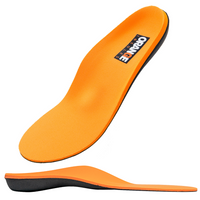
Full-length coverage to support the entire foot
-
Multi-layer construction for both comfort and structure
-
Arch support to reduce pressure concentration
-
A defined heel cup for stability
-
Breathable materials to manage moisture
These features work together to keep pressure from building up in one place. Don’t fall for gimmicky promises of your feet stepping on clouds. Look for features that are made to handle movement on a daily basis without giving up after a few uses.
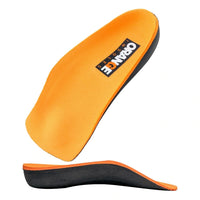
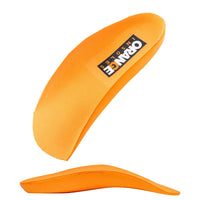
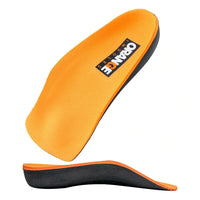
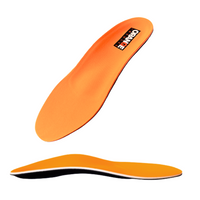
Pro Tip: We recommend using the Orange Full Insoles for that full-feature support that fits right into your daily footwear.
Building a Routine That Actually Protects You
Now you know how support is an important preventive aspect of foot care. You should also pair it up with a routine that includes both inspection and prevention.
Daily:
-
Check your feet for changes in color, swelling, or skin damage
-
Keep your feet clean and dry
-
Wear properly fitting shoes
Ongoing:
-
Use insoles designed for pressure distribution
-
Monitor wear and replace when needed (no need to replace too often with quality insoles!)
-
Pay attention to any changes in how your feet feel (or don’t feel)
If part of your routine is also incorporating exercise, read our guide on How to Ease Back Into Walking, Running or Training Without Foot Pain.
The Bottom Line
Most diabetic foot problems don’t happen suddenly.
They develop over time from repeated pressure in areas you may not even feel.
That’s why prevention matters.
Read more: 5 More Footcare Tips for Diabetics
And one of the most practical ways to protect your feet is by managing that pressure every step of the day.
Of course, these preventive steps are only one part of managing your feet as a diabetic. When combined with a healthy diet, regular exercise, and a strong awareness of your body, they help you protect your feet and maintain long-term comfort and mobility.