

Four hours into a walking tour of Rome, your feet start talking to you. Not the good kind of talking. The dull ache under your arches. The hot spot on your heel. The creeping soreness in the balls of your feet that makes you eye every bench like it owes you money.
You bought good shoes. You broke them in. So what went wrong?
The answer is almost never the shoe itself. It is the thin, flat factory insole sitting inside it. That flimsy foam pad was designed to fill space, not to support your feet through 10 miles of cobblestones, marble museum floors, and uneven sidewalks. Once you understand that, choosing travel footwear gets a lot simpler.
What Travel Walking Actually Demands from Your Feet
A typical sightseeing day puts 15,000 to 25,000 steps on your feet. That is 8 to 12 miles on surfaces your daily walking shoes rarely encounter: centuries-old cobblestones in Lisbon, polished stone floors in the Louvre, volcanic rock paths in Iceland, sandy boardwalks in Barcelona.
Each of those surfaces transfers impact differently. Cobblestones create uneven pressure points across the bottom of your foot. Hard marble floors send shock straight through your heel. Uneven sidewalks force your ankle to constantly stabilize, which fatigues the muscles that run from your arch to your shin.
Your feet also swell during travel. Sitting on a long flight pools fluid in your lower legs. Then you spend 8 to 10 hours walking in warm weather, and your feet expand by as much as half a shoe size. A shoe that fit perfectly at the airport can feel tight and painful by dinner.
Key takeaway: Travel walking is harder on your feet than most daily activity because of the distance, the surfaces, and the swelling that comes with long days on the move.
What to Look for in a Travel Walking Shoe
Every shoe roundup will tell you to buy a specific model. The problem with that advice is that shoe fit is personal. A shoe that works for one person's foot shape, arch height, and gait pattern may be uncomfortable for someone else within an hour.
Instead of chasing a specific brand, focus on four features that matter regardless of style:
Removable insole. This is the most overlooked feature in travel footwear. If the insole is glued down, you cannot swap in a better one. Look for shoes where the factory insole lifts out cleanly. Most sneakers, walking shoes, and hiking shoes have removable insoles. Many sandals and slip-ons do not.
Lightweight construction. Every extra ounce on your foot multiplies across thousands of steps. A shoe that feels fine in the store can feel heavy by mile 6. Pick something that feels almost too light when you first try it on.
Breathable upper. Feet that overheat blister faster. Mesh panels or perforated materials keep airflow moving, especially in warm-weather destinations. Knowing how summer affects your feet helps you plan for heat-related foot problems before they start.
Secure fit at the heel. Your heel should not slide when you walk. Heel slippage is the fastest path to blisters and fatigue because your foot muscles work overtime to grip the shoe with every step.
Key takeaway: Fit these four features first. The brand and style are secondary to removable insoles, light weight, breathability, and heel lockdown.
Why the Factory Insole Fails You After Mile 4
Here is the part most travel shoe guides skip entirely. The factory insole inside almost every shoe is a flat piece of EVA foam with minimal arch support and no heel structure. It is designed to be inexpensive and inoffensive, not to support your foot through a full day of walking.
By hour 3 or 4, that foam compresses. The small amount of cushioning it offered at the start of the day flattens out. Your arch loses its support. Your heel sits lower in the shoe. The ball of your foot absorbs more impact with each step.
This is the "mile 4 wall" that experienced travelers know well. Your shoes felt great leaving the hotel. By lunch, you are looking for a pharmacy. The instinct is to blame the shoe, but the shoe's upper, outsole, and structure are usually fine. The weak link is the insole.
Experienced travelers on forums like Rick Steves' travel community have been discussing this for years. Travelers who walk 25,000 to 30,000 steps per day in European cities consistently report that swapping in a quality insole with real arch support and a structured heel cup transformed their comfort more than changing shoes ever did.
Key takeaway: Factory insoles are built to a price point, not a performance standard. They are the first thing worth upgrading in any travel shoe.
How to Choose the Right Insole for Travel
Not all insoles are built the same. A thin gel pad from a drugstore is a different product category from an insole with a deep heel cup (a contoured cradle that holds your heel bone in alignment) and firm arch support.
For travel, look for three things:
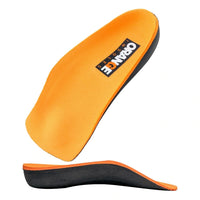
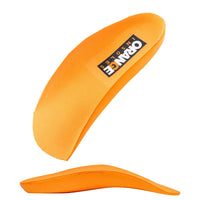
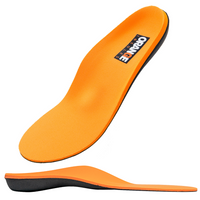
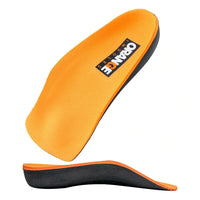
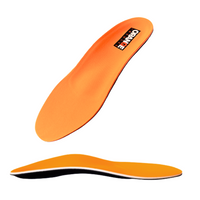
A deep heel cup. This keeps your heel centered in the shoe, reduces side-to-side motion, and absorbs impact on hard surfaces like cobblestones and museum floors. Orange Insoles' deep heel cup is specifically designed for this kind of sustained walking.
Arch support that matches your foot. Flat-footed travelers and high-arched travelers need different levels of support. If you are not sure about your arch type, this guide on wide feet and foot shape can help you figure out what your feet actually need.
Durable cushioning that does not compress. The difference between a $5 insole and a quality one is what happens at hour 6. Cheap foam flattens. A properly engineered insole maintains its structure through a full travel day and the one after that.
Key takeaway: A deep heel cup, proper arch support, and durable cushioning are the three features that separate a travel-ready insole from a drugstore insert.
Packing and Planning Tips for Comfortable Travel Days
A few small habits make a big difference over a week-long trip:
Break in your shoes before you leave. Walk at least 20 to 30 miles in your travel shoes before the trip. Short, frequent walks build your feet up gradually, and they also break down any stiff spots in the shoe's upper.
Bring a second pair. Alternating between two shoes gives each pair time to dry out and decompress. It also gives your feet slightly different pressure points each day, which reduces repetitive stress.
Move your insoles between shoes. If you bring a walking shoe and a dressier option for dinners, you can transfer the same quality insole into both. As long as the shoes have removable factory insoles, the swap takes 10 seconds.
Elevate your feet at night. After a long day, prop your feet above your heart for 15 to 20 minutes. This reduces swelling and helps your feet recover for the next day.
Key takeaway: Breaking in shoes, rotating pairs, and transferring good insoles between shoes are simple habits that prevent most travel foot pain.
Your Feet Deserve Better Than the Default
Most travelers spend hours researching which shoes to buy and never think about what goes inside them. The factory insole is an afterthought from the manufacturer, but it is the layer between your foot and every step you take.
Swapping in an insole with real arch support and a deep heel cup takes less than a minute and can be the difference between finishing a walking tour energized or limping back to the hotel.
If you have a trip coming up, upgrade your insoles before you start packing. Your feet at mile 10 will thank you.
Browse Orange Insoles' travel-ready options and find the right fit for your next adventure.