

Your feet carry you roughly 100,000 miles over a lifetime. That is about four trips around the Earth. And just like the rest of your body, they change shape, lose cushioning, and shift their mechanics as the decades pass.
Most people don't think about their feet until something hurts. But understanding what's actually happening down there, and when, can help you stay active and comfortable for a lot longer.
Your 20s: The Decade You Feel Invincible
In your 20s, your feet are at peak performance. The ligaments are tight, the arches are strong, and recovery after a long day happens fast. Most people in this age range can get away with just about any shoe and feel fine the next morning.
That said, this is when habits get set. If you spend years in flat sandals or unsupportive shoes, you're training your feet to work without the structural help they'll eventually need. Runners and athletes in their 20s may also notice the first signs of overuse injuries like shin splints or plantar fasciitis (inflammation of the tissue along the bottom of the foot), especially without proper support.
The best thing you can do in your 20s is build a foundation. Choosing shoes that actually support your feet now pays off for every decade after.
Key takeaway: Your 20s are when foot habits form. Good support now prevents problems later.
Your 30s: When Recovery Slows Down
By your 30s, your body starts producing less collagen, the protein that keeps connective tissue firm and elastic. You'll feel this in your feet first as slightly longer recovery times after workouts, standing events, or long travel days.
This is also the decade when many people notice their shoes fitting differently. Feet can spread slightly wider as the ligaments in the arch begin to relax. If your favorite pair suddenly feels tight across the midfoot, it's not your imagination. Your feet are genuinely changing shape.
For people who are on their feet for work, foot fatigue may start becoming a regular visitor. The difference between fatigue and actual pain matters, because one is a signal to rest and the other is a signal to act.
Key takeaway: Collagen loss starts in your 30s, which means less natural cushioning and slower bounce-back.
Your 40s: The Decade Things Get Real
The 40s bring more noticeable changes. The fat pads on the balls of your feet and heels, which act as built-in shock absorbers, start thinning out. You'll feel harder surfaces more directly and may find yourself reaching for softer shoes or avoiding barefoot walking on tile and hardwood.
Arch height can drop measurably in this decade. The posterior tibial tendon (the main tendon that holds up your arch) loses some of its tension, and the arch flattens. This is one of the main reasons people say their feet have "gotten bigger." They haven't grown, but they have spread.
Footwear choices start to matter more than ever in your 40s. Shoes that felt fine a decade ago may now leave you with sore heels or aching knees by the end of the day.
Key takeaway: Thinning fat pads and flattening arches make your 40s the decade when support goes from optional to essential.
Your 50s: Staying Ahead of Stiffness
Joint stiffness becomes more common in your 50s. The cartilage in your toes, midfoot, and ankle joints has been absorbing impact for decades, and it starts to show. Morning stiffness, reduced flexibility, and a general sense of heaviness in the feet are all common.
This is also when early signs of arthritis may appear. Osteoarthritis (the wear-and-tear type) tends to settle into the big toe joint and the midfoot first. Swelling, warmth, or a grinding sensation during movement are all worth paying attention to.
Staying active remains one of the best things you can do. Low-impact movement like walking, swimming, and cycling keeps joints mobile and muscles engaged. Consistency matters more than intensity at this stage.
Key takeaway: Your 50s reward consistency. Gentle, regular movement keeps stiffness from taking over.
Your 60s and Beyond: Comfort Is the Priority
By your 60s, the cumulative changes are significant. Thinner fat pads, flatter arches, stiffer joints, and reduced circulation all work together to make your feet more sensitive to pressure, temperature, and prolonged standing.
Balance can also shift. The muscles and tendons that stabilize your ankles lose strength over time, and the sensory nerves in your feet become less responsive. Good footwear and solid arch support play a direct role in stability and fall prevention.
For people managing diabetes or circulation issues, proactive foot care becomes especially important. Small problems can escalate quickly when blood flow is reduced, so daily attention and proper support make a real difference.
Key takeaway: After 60, comfort and stability are the priorities. Support your feet well, and they'll keep you moving.
What You Can Do at Any Age
No matter where you are on this timeline, a few things help across the board:
• Wear shoes that fit your feet today, not the size you wore five years ago. Feet change, and your shoes should keep up.
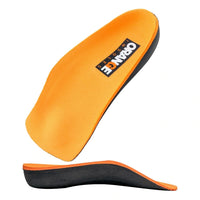
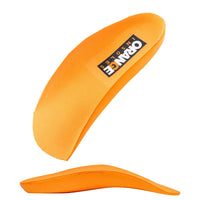
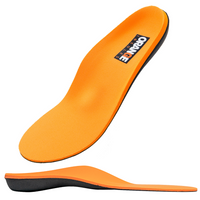
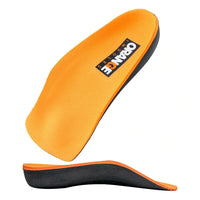
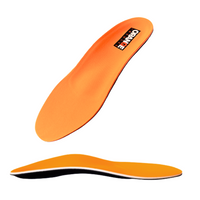
• Add arch support. Factory insoles in most shoes are thin and flat. A quality insole with a deep heel cup and firm arch support makes a measurable difference in alignment and comfort.
• Move regularly. Walking is one of the best things you can do for your feet. It keeps circulation flowing, muscles engaged, and joints flexible.
• Pay attention to what your feet are telling you. Persistent pain, changes in shape, or shoes wearing unevenly are all worth investigating.
Keep Moving, Decade After Decade
Your feet are going to change. That is just part of being human. But how you respond to those changes determines whether you spend your years active and comfortable or sidelined by pain you could have prevented.
Orange Insoles are built for exactly this. With medical-grade arch support and a deep heel cup that keeps your foot aligned, they help your feet handle whatever decade you're in. Find the right insole for you and feel the difference in your very next step.