

Sore feet are common. Injured feet are not.
The problem is that foot fatigue and foot pain often start out feeling very similar, especially when you’re walking more, getting back into workouts, or standing longer during the day. Many people assume discomfort is just part of “getting used to it” until it quietly turns into something harder to ignore.
Learning to tell the difference early is one of the simplest ways to avoid setbacks, missed training time, or lingering injuries.
Here’s how to recognize what your feet are actually telling you.
Why This Distinction Matters More Than You Think
Foot fatigue is a normal response to increased demand.
Foot pain is a warning signal.
When fatigue is misread as something to push through, the body often compensates. Those compensations can increase strain on the plantar fascia, Achilles tendon, knees, hips, and even the lower back, which is why small foot issues often snowball into bigger problems.
Catching the difference early is about load management, not toughness.
What Foot Fatigue Usually Feels Like
If you’re unsure whether what you’re feeling is normal fatigue or something more, run through these questions honestly.
Ask yourself:
-
Do both feet feel tired or sore in a similar way?
-
Does the discomfort feel general rather than focused in one exact spot?
-
Does the soreness build gradually during the day instead of appearing suddenly?
-
Does it improve noticeably after resting, elevating your feet, or sleeping?
-
Does the discomfort feel more like heaviness or dull aching than sharp pain?
-
When you wake up in the morning, do your feet feel mostly okay after a few steps?
If you answered yes to most of these, what you’re experiencing is more likely foot fatigue.
Foot fatigue is a normal response when:
-
Activity levels increase
-
Standing time goes up
-
Shoes or surfaces change
-
You’re easing back into walking, running, or training
In these cases, your feet are responding to increased demand and not injury.
What Foot Pain Feels Like (And Why It’s Different)
Foot pain tends to be more specific, more persistent, and more predictable.
Signs that discomfort may be pain rather than fatigue:
-
Sharp, stabbing, or burning sensations
-
Pain localized to one spot (heel, arch, ball of foot)
-
Symptoms that worsen over several days
-
Pain with the first steps in the morning
-
Discomfort that doesn’t improve with rest
Morning pain, in particular, is often associated with conditions like plantar fasciitis or heel pain, where tissues tighten overnight and protest when loaded again.
Timing Is One of the Biggest Clues
Ask yourself when the discomfort shows up.
-
During activity, then fades quickly: more likely fatigue
-
Later that day or the next morning: could be early pain
-
Every morning, same spot: likely a developing injury
Pain that follows a predictable pattern, especially first-step pain, is worth paying attention to early.
Location Matters More Than Intensity
How strong discomfort feels matters less than where it’s located.
Common pain patterns include:
-
Heel or arch pain → often tied to plantar fascia stress
-
Back of the ankle or calf tightness → may involve the Achilles tendon
-
Front or inside of the lower leg → can precede shin splints
-
Forefoot pain or burning → may relate to pressure distribution issues
Fatigue usually feels diffused. Pain usually has a home address.
Why Fatigue Can Turn Into Pain So Easily
Fatigue itself isn’t dangerous.
What happens because of fatigue can be.
When feet get tired:
-
Arches collapse more
-
Pronation increases
-
Shock absorption decreases
-
Alignment becomes less controlled
Over time, that extra motion and stress can irritate tissues and lead to conditions affecting not just the feet, but also the knees, hips, and back. This is why recurring foot pain is often linked to issues like knee pain or hip pain later on.
Shoes and Support Can Reveal the Difference
Footwear plays a huge role in how fatigue and pain feel.
Unsupportive or worn-out shoes can:
-
Accelerate fatigue
-
Increase strain on specific areas
-
Make pain show up sooner
Different activities also demand different footwear, which is why understanding how various shoe types affect foot mechanics matters, especially during periods of increased activity.
Support doesn’t eliminate effort, but it can reduce unnecessary stress while your feet adapt.
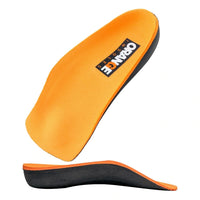
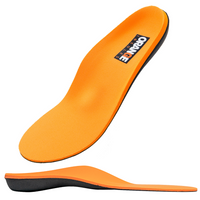
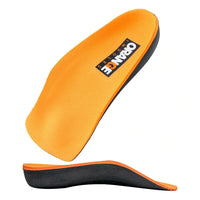
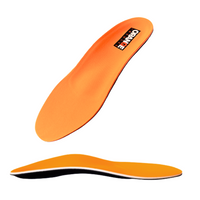
That’s where a well-designed insole makes a big difference. By providing targeted support to the heel and arch, insoles help guide the foot through its natural motion, even when the demands of the activity or shoe design try to throw things off balance. Whether you’re navigating long work shifts, winter hikes, or weekend errands, insoles help absorb shock, stabilize movement, and reduce the risk of pain or injury—so your feet can keep up with your lifestyle.
Read more: How Insoles Can Reduce Muscle Fatigue
When to Adjust Instead of Push Through
Consider adjusting your routine if:
-
Discomfort becomes more localized
-
Pain lasts more than a few days
-
Morning stiffness increases
-
One foot consistently hurts more than the other
Adjustments don’t have to mean stopping. Often it’s enough to:
-
Reduce volume temporarily
-
Improve footwear consistency
-
Add rest days
-
Pay closer attention to recovery
Ignoring early signals is one of the most common reasons small issues become longer-term injuries.
Fatigue Is Normal. Pain Is Information.
The goal isn’t to avoid all discomfort; it’s to understand it.
Foot fatigue is part of adapting to movement.
Foot pain is feedback that something needs attention.
Learning to tell the difference early gives you the chance to respond before your body forces you to stop.
Read more: A Guide to Running Injuries for Beginners
Listen Early, Move Longer
Most foot injuries don’t start with a dramatic moment.
They start quietly as fatigue that wasn’t respected.
If you pay attention early, adjust when needed, and support your feet during transitions, you give yourself the best chance to keep moving comfortably for the long run.
Protect Your Feet Today: Shop for Insoles!