

When people first decide to get active: that means walking daily, jogging a few times a week, or committing to the gym, the focus is usually on motivation.
Showing up. Building the habit. Staying consistent.
Footwear often feels like a secondary concern at that stage. If the shoes are “good enough” and don’t hurt immediately, most people move on without a second thought.
But here’s the shift most active people don’t realize until something starts to ache:
Shoes matter more once you’re consistent than when you’re just starting out.
And if you’re past the beginner phase, what worked early on may now be quietly working against you.
The Beginner Phase: When Almost Anything Feels Fine
In the early days of a new routine, the body is adapting to movement again. Sessions are usually shorter. Intensity is lower. Recovery time between workouts is longer.
At this stage:
-
Minor misalignment doesn’t show up right away
-
Cushioning feels more important than structure
-
Discomfort is often blamed on “being out of shape”
Because movement is still intermittent, the body can compensate. Muscles pick up slack. Joints tolerate more stress. Shoes don’t get exposed for what they lack—yet.
This is why many people think, “These shoes are fine. I’ve been walking in them for weeks.”
They are, well, for now.
What Changes When You Start Moving Consistently
Consistency is where progress happens, but it’s also where problems begin to surface.
Once you’re active most days of the week, your body experiences:
-
Repeated loading patterns
-
Thousands of identical steps
-
Less recovery time between sessions
That repetition magnifies small issues.
A slightly unstable heel becomes a knee ache. A collapsed arch turns into lingering heel discomfort often associated with plantar fasciitis. A soft shoe that felt comfortable starts causing fatigue halfway through workouts.
This isn’t bad luck. It’s biomechanics catching up.
Your shoes stop being passive equipment and start becoming part of your movement system.
Repetition Exposes What Shoes Are Really Doing
Every step you take is a chain reaction:
Foot → ankle → knee → hip → lower back
When shoes lack proper structure, they allow excess motion that the body has to control on its own. Early on, muscles can handle it. Over time, fatigue sets in and compensation patterns form.
This is why people often say:
-
“My feet were fine at first”
-
“The pain came out of nowhere”
-
“I didn’t change anything, but now my knees hurt”
What changed was volume, not effort.
If this pattern sounds familiar, you can check out: How Your Feet Affect Your Back Pain (And What to Do About It) and Why Proper Body Alignment Matters, they help explain how small foot-level issues ripple upward through the body.
It can be discouraging when efforts to lead a more active lifestyle are met with unexpected pain or discomfort. Instead of feeling the rewards of positive change, some may feel like they’re being punished for trying to do something good for their health.
Cushioning Isn’t the Same as Support
One of the biggest misconceptions among active adults is equating comfort with support.
Soft shoes feel good initially because they reduce impact sensation. But excessive softness can:
-
Allow the foot to collapse inward
-
Reduce stability during push-off
-
Increase muscle fatigue over longer sessions
Once you’re training consistently, support and alignment matter more than softness alone.
Consistent Movement Changes Your Feet, Too
Another overlooked factor is that your feet adapt as you move more.
With regular activity:
-
Arches may fatigue faster
-
Pressure points become more noticeable
-
Gait patterns become more defined
That means the same shoe can feel different over time, even if it hasn’t worn out yet.
Many people assume pain means they need rest, when in reality they need better support for the workload they’ve built. This distinction is covered in Foot Fatigue vs Foot Pain: How to Tell the Difference Early.
Why Problems Show Up After “Doing Everything Right”
This is where frustration often sets in.
People stretch more. Warm up longer. Foam roll. Rest days help temporarily—but the pain returns.
That’s because none of those address what’s happening every single step.
If footwear isn’t supporting alignment during thousands of repetitions, recovery tools can only do so much. In “How Insoles Can Reduce Muscle Fatigue”, we explain why support during movement matters just as much as recovery afterward.
The Transition Point Most People Miss
There’s a quiet transition phase where footwear should change, but often doesn’t.
It usually happens when:
-
Walks turn into daily routines
-
Casual jogs turn into training plans
-
Gym sessions become consistent habits
At this point, footwear choices should evolve from “Does it feel okay?” to “Does it support how often and how long I move?”
Ignoring that transition is one of the most common reasons consistent movers end up sidelined.
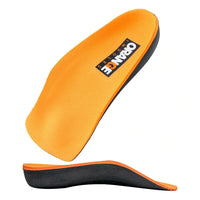
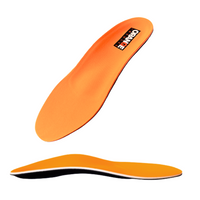
Why Insoles Become More Relevant Over Time
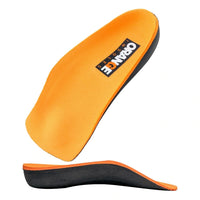
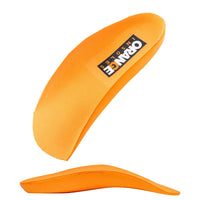
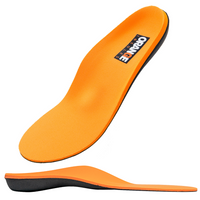
As activity increases, insoles can matter more than the shoe itself.
Most shoes are built for general use, not repeated stress. Factory insoles prioritize cost, not long-term support. Insoles can improve alignment without requiring a full shoe replacement.
For consistent movers, insoles act as:
-
A stability upgrade
-
A fatigue reducer
-
A way to extend shoe lifespan
If you’re unsure whether your current footwear still meets your needs, How to Know If My Shoes Need Insoles offers a helpful starting point.
Shop for Insoles
Consistency Is a Win, Your Shoes Should Support It
If you’ve made movement part of your life, that’s a success worth protecting.
Foot pain, knee discomfort, or lingering soreness aren’t signs you should stop. They’re signals that your support system hasn’t evolved with your habits.
The goal isn’t to overthink footwear. It’s to match your shoes to the life you’re actually living now, not the one you started with.
Because once you’re moving consistently, what’s under your feet matters more than ever.