

You kicked off your shoes somewhere over Kansas. Three hours later, they won't go back on.
Your feet look puffy, your ankles feel tight, and you're stuck doing that half-crushed shuffle down the jet bridge in shoes that fit perfectly at the gate. It happens to almost everyone who flies, and it has nothing to do with how much salt was in the pretzels.
When you sit with your feet below your heart for hours in a pressurized cabin, gravity and reduced air pressure team up against your circulatory system. Blood pools in your lower legs, fluid leaks into surrounding tissue, and your feet and ankles expand. The medical term is dependent edema, and while it's usually harmless, it's also entirely preventable if you plan ahead.
The decisions that matter most happen before you board.
What's Actually Happening Inside Your Feet at 35,000 Feet
Cabin pressure at cruising altitude is equivalent to standing on a 6,000- to 8,000-foot mountain. At that pressure, your blood vessels expand slightly, and fluid moves out of your bloodstream and into your tissue more easily. Combine that with hours of sitting in a cramped seat where your legs are bent and your calves aren't moving, and you get the perfect setup for swelling.
Your calf muscles act as a pump for blood returning to your heart. When they're idle, that pump stalls. Blood pools, pressure builds in the veins of your lower legs, and fluid seeps into your feet and ankles. People with flat feet or overpronation (when the foot rolls inward with each step) can have a harder time here because misalignment can compress the veins that run along the inside of the ankle, making the pooling worse.
Key takeaway: Swelling on flights isn't about water retention from salty snacks. It's a circulation issue driven by cabin pressure and prolonged sitting.
Before You Board: The Choices That Matter Most
Most advice about swollen feet flying focuses on what to do mid-flight. But the biggest lever you have is what you put on your feet before you leave the house.
Shoe choice. Wear shoes with room in the toe box and a supportive insole. Tight dress shoes or stiff flats restrict circulation right from the start. Sneakers or walking shoes with arch support keep your foot aligned and your blood moving. If you're headed somewhere that requires dressier footwear, pack those separately and wear your most supportive shoes on the plane. The best insoles for dress shoes can help once you arrive, but travel day is about function.
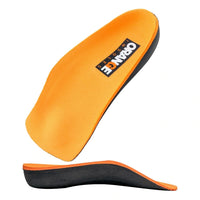
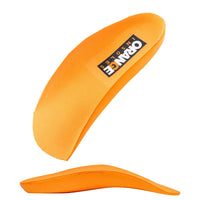
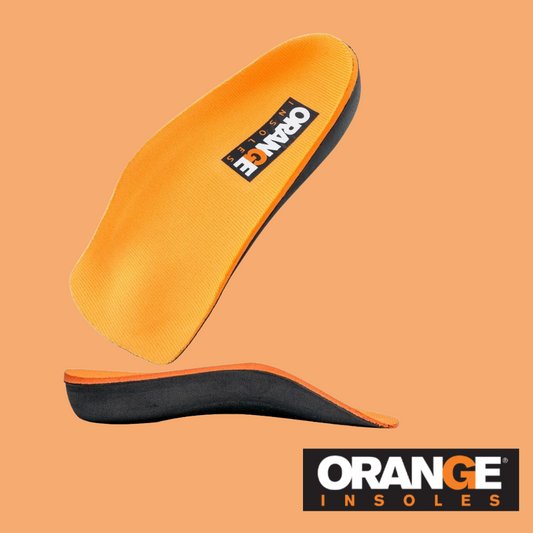
Insole support. A supportive insole with a deep heel cup holds your foot in a neutral position, which keeps the posterior tibial vein (the main blood-return pathway along the inside of your ankle) from getting kinked by pronation. That's not a minor detail. Proper alignment means better venous return, which means less pooling, which means less swelling. The same principle is why insoles matter for pregnancy-related foot swelling, another situation where edema becomes a daily problem.
The travel day foot kit. Here's what experienced travelers pack: supportive walking shoes with quality insoles already broken in, a pair of compression socks rated 15-20 mmHg, and a refillable water bottle. That combination addresses alignment, circulation pressure, and hydration before you even scan your boarding pass.
Key takeaway: Shoe and insole choice is the first decision point for preventing swollen feet, not an afterthought buried in a tips list.
During the Flight: Keep the Pump Running
Once you're seated, your job is to keep your calf muscles working so blood doesn't stagnate.
Move your feet every 20-30 minutes. Ankle circles, toe raises, and flexing your foot up and down all activate the calf pump. You don't need to stand up for this. Just press the balls of your feet into the floor and lift your heels, then reverse the motion. Ten repetitions takes about 30 seconds.
Get up and walk when you can. An aisle trip every hour or two makes a real difference. Even standing in the galley area and shifting your weight for a minute helps.
Stay hydrated. Cabin air is dry, and dehydration makes your blood thicker, which slows circulation. Drink water steadily through the flight. Alcohol and caffeine both work against you here because they're diuretics that pull fluid from your bloodstream while the cabin pressure is already pushing fluid into your tissue.
Don't cross your legs. It compresses the veins behind your knees and makes pooling worse. Keep both feet flat on the floor or slightly elevated on your carry-on.
Key takeaway: Small, frequent calf movements matter more than one long walk. Think of your calves as a circulation pump that needs regular activation.
After Landing: Recovery That Actually Works
The swelling doesn't have to follow you to your hotel. A few deliberate steps in the first hour after landing can bring your feet back to normal.
Walk for 10-15 minutes right away. Skip the ride to baggage claim if there's a walking route. Active calf engagement after a long sit is the fastest way to flush pooled fluid. If you're heading into a travel-heavy vacation, understanding how insoles support recovery between activity days can help you plan for the whole trip, not just the flight.
Elevate your feet at the hotel. Prop your legs on a pillow above heart level for 15-20 minutes. Gravity works in your favor here, pulling fluid back toward your core.
Do a cool water foot soak. Cool water constricts blood vessels and reduces swelling faster than warm water. Five to ten minutes in a hotel bathtub is enough.
Switch into supportive footwear for sightseeing. If your trip involves a lot of walking, the shoes you wore on the plane should be the shoes you wear to explore. Choosing the right shoes for walking tours isn't a separate decision from managing flight swelling. It's the same decision: support your arches, stabilize your heels, and keep circulation moving.
Key takeaway: Active recovery in the first hour after landing prevents the swelling from compounding through the rest of your travel day.
When Swelling Is More Than a Nuisance
For most people, flight-related swelling resolves within a few hours of walking and elevating. But if swelling persists for more than 24 hours, appears in only one leg, or comes with redness, warmth, or pain in your calf, see a doctor. Those can be signs of deep vein thrombosis (DVT), a blood clot that needs medical attention. The Mayo Clinic recommends talking to your doctor before a long flight if you have a history of blood clots or recent surgery.
People with existing foot conditions like plantar fasciitis or flat feet often notice worse swelling because their foot structure already compromises circulation. If foot fatigue and pain are part of your baseline, addressing alignment with proper insoles before travel becomes even more important.
Key takeaway: Normal flight swelling resolves within hours. Persistent or one-sided swelling needs medical evaluation.
Your Feet Deserve a Better Travel Day
Swollen feet after flying are so common that people accept them as part of the deal. They're not. The combination of supportive shoes, a quality insole that keeps your foot aligned, compression socks, and a few minutes of movement during the flight changes the outcome completely.
It starts with what's inside your shoe. A deep heel cup keeps your heel centered, your arch supported, and the blood flowing back up your leg the way it should. That's not a travel hack. That's how your feet are supposed to work.
Keep Your Feet Comfortable on Every Trip
Orange Insoles are built with the deep heel cup design that stabilizes your foot and supports healthy circulation, whether you're on a plane, walking cobblestones in Europe, or standing all day at a conference. Find the right insole for your shoes and feel the difference on your next trip.