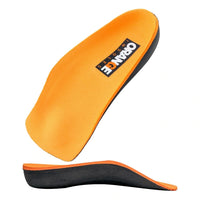

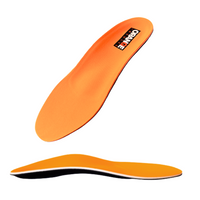

The snow is good, the lifts are running, and your feet are already asking for a break. Before you crank your boots tighter or start shopping for a new pair, take a look at what’s underneath your feet.
Snowboard boot insoles can make a difference when they provide a more comfortable, supportive fit than your existing footbeds. The key is choosing a shape and thickness that work with your feet and the space inside your boots.
More cushioning isn’t always better. A thick insert in an already snug boot can leave you with less room and more pressure. The right upgrade should make your boots feel better without making them feel crowded.
What Can Snowboard Boot Insoles Actually Change?
Your boot’s liner surrounds your foot, while the footbed sits directly beneath it. Those two parts work together, but they do different jobs.
A contoured insole changes how your foot contacts the bottom of the boot. Depending on its design, it can add arch support, cushioning, and a shaped heel cup. If your current footbed feels flat or unsupportive, that change may make your setup more comfortable.
Think of insoles as one part of boot fit. They won’t make an oversized boot the right size, restore a worn-out liner, or guarantee sharper turns. If your boots already feel comfortable and secure, you may have little reason to change them.
Check Your Boot Fit Before Choosing an Insole
Start with the problem you want to solve. Do your arches feel unsupported? Is there pressure across the top of your foot? Does your heel move when you flex forward?
Those issues don’t necessarily need the same solution.
Try your boots with the socks you actually ride in. Check the fit with the closures comfortably secured, then bend your knees into your riding stance. Notice where your foot feels supported, where it moves, and where pressure builds.
Next, check whether your boot’s insole is removable. If it is, take it out before fitting a replacement, then check that the new insole sits flat and feels comfortable.
If you’re unsure what comes out or how much space you have, bring your boots to a boot fitter before buying.
Read more: How Your Fall and Winter Boots Should Fit
Which Orange Insoles Should You Consider?
Snowboard boots are designed to fit snugly, so choosing the right insole starts with finding support that doesn't take up too much space. Most snowboard boots have removable factory footbeds, making it possible to replace the original insole with a more supportive option.
For most snowboarders, Orange Sport is the best place to start, but the right choice ultimately depends on your boot's fit and available space.
Orange Sport: Our Top Choice for Snowboard Boots
Orange Sport combines structured support with a thin, athletic profile and responsive O-FOAM cushioning. It's designed for active footwear where both support and space matter.
Because snowboard boots typically have a snug fit, Orange Sport's slimmer construction makes it a great option for replacing the factory footbed without adding unnecessary bulk. Its responsive cushioning is also well suited for the movement and impact associated with snowboarding.
For most snowboard boots with removable footbeds, Orange Sport would be our first recommendation.
Orange Full: Maximum Support When Space Allows
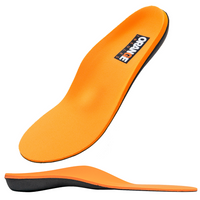
Orange Full Length Insoles provide substantial support through a deep heel cup, contoured arch support, and metatarsal pad.
If your snowboard boots have removable footbeds and enough interior room, Orange Full may be a good option for those who prefer a more substantial insole. However, its thicker profile and deeper heel cup may make it less suitable for snug-fitting boots.
Orange 3/4: Support Without Taking Up Toe Room
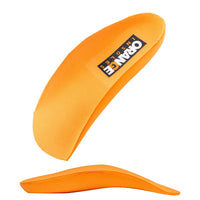
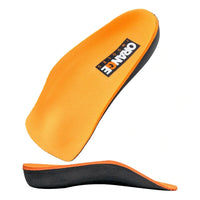
Orange 3/4 Insoles provide structured arch and heel support without extending all the way to the toes.
For snowboard boots where toe room is particularly limited, the shorter design may be worth considering. However, Orange 3/4 still takes up space beneath the heel and arch, so it's important to make sure the boot has enough room to accommodate the additional support.
Orange Light: Lightweight Support for Limited Space
Orange Light offers moderate support in a lightweight, low-profile design.
How to Check Whether Your New Insoles Fit
Test your setup at home before committing to a full day on the mountain.
-
Follow the fitting instructions. Remove the original footbed when the replacement is designed to take its place.
-
Check that the insert sits flat. It shouldn’t curl, bunch, or shift inside the liner.
-
Wear your usual snowboard socks. Changing socks at the same time makes it harder to judge the difference.
-
Secure your boots and flex forward. Check for new pressure around your arches, heels, toes, and the tops of your feet.
-
Build up wear gradually. Follow Orange’s break-in guidance and reassess if the fit becomes uncomfortable.
Support should feel comfortable enough to use. Don’t push through sharp pressure or numbness in the hope that the insert will eventually fit.
Read more: How to Break in Orange Insoles
Frequently Asked Questions
Will insoles stop heel lift?
They may change how your heel sits, but heel lift can also involve boot size, liner wear, and the way the boot closes around your foot. Persistent movement is a reason to have the whole fit checked.
Will insoles keep my feet warmer?
Don’t choose a supportive insole on the assumption that it will add warmth. Insulation, moisture, socks, weather, and overall boot fit all matter. Adding an insert that crowds your foot can also make the setup less comfortable.
Do I need insoles if my boots already feel good?
Not necessarily. If your feet feel comfortable and your boots hold them securely, an upgrade is optional. A more expensive or thicker footbed isn’t automatically a better match.
Are Snowboard Boot Insoles Worth It?
They can be, especially when your existing footbeds don’t give you a comfortable foundation. The best choice is the one that supports your feet while working within your boots’ available space.
Start with fit, compare the insole profiles, and check the result before heading uphill. If you need help narrowing down the Orange lineup, use the Insole Selector, then confirm the choice in your actual boots.